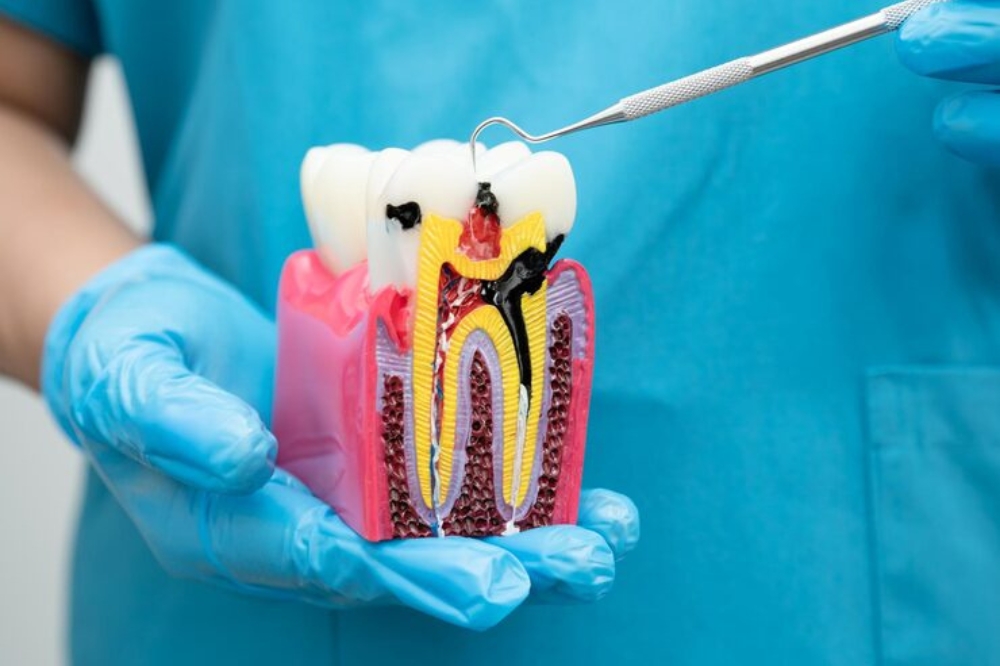

When you hear the word “surgery” at the endodontist, it�s normal to feel a little nervous. However, some procedures are designed specifically to save your smile when everything else has failed. If a standard root canal didn’t quite fix the problem, your endodontist might recommend an�apicoectomy in Jacksonville. This procedure is essentially a way to fix a tooth from the bottom up rather than the top down. It sounds a bit intense, but it is a very common way to stop an infection right at the source and keep you from losing your natural tooth.
Need for Apicoectomy
Think of your tooth like a tree. A regular root canal cleans out the “trunk” and the main “branches” inside the tooth. But sometimes, tiny germs hide in the very tips of the roots, deep under your gums, where a normal cleaning tool can’t reach. An�apicoectomy procedure�allows a specialist to go straight to those root tips, remove the infected parts, and seal them up. This stops the infection from spreading into your jawbone and causing more pain.
If you have been feeling a dull ache or seeing a small bump on your gums near a tooth that already had a root canal, you should talk to aendodontist in Jacksonville. They can take a look at what�s going on under the surface. It is always better to catch these things early, before the infection gets worse. Finding a�endodontist near you�who knows how to handle these tricky situations can make the whole process feel much easier and less stressful.
Why a Standard Root Canal Isn’t Always Enough
You might be wondering why you need more work if you already had a root canal. Most root canals work perfectly, but our teeth are actually very complex. Inside each root are tiny, microscopic tunnels that look like a spiderweb. Sometimes, bacteria get trapped in these tiny spaces at the very tip of the root.
Since a regular root canal cleans the tooth from the top (the part you see when you smile), it can be hard to reach the very bottom. This is why an�apicoectomy dental treatment�is so helpful. It�s often called a�surgical root canal procedure�because it involves a small opening in the gum to reach the root directly. It�s the best way to make sure every last bit of the infection is gone for good.
What Actually Happens During the Procedure?
The idea of a “surgical” procedure might sound scary, but it�s actually very quick and painless. Here is exactly what you can expect when you go in for an�apicoectomy near you:
- Numbing Everything Up:�Just like getting a filling, the area around the tooth is completely numbed. You won�t feel anything while the endodontist is working.
- A Tiny Opening:�The endodontist makes a small incision in the gum tissue to see the bone and the tip of the tooth root.
- Cleaning the Root:�The very tip of the root is removed, along with any infected tissue around it.
- The Final Seal:�A small filling is placed at the end of the root to “plug” it. This prevents germs from ever getting back inside.
- Stitches:�A few tiny stitches help the gum heal back perfectly.
The whole thing usually takes about 30 to 90 minutes. Most kids and adults find that it�s not much different from any other dental visit once the numbing kicks in.
Recovery: Getting Back to Normal
One of the best things about this procedure is how fast you heal. Because the endodontist is only working on the very tip of the root, the rest of the tooth and your mouth stay exactly the same. You might have a little bit of swelling for a day or two, but it�s usually not enough to keep you home from school or work.
|
What to Expect |
How to Handle It |
|
Swelling |
Use an ice pack on your cheek for 20 minutes on and 20 minutes off. |
|
Eating |
Stick to soft foods like smoothies, yogurt, or mashed potatoes for a day. |
|
Brushing |
Be very gentle near the stitches for the first few days. |
|
Pain |
Normal over-the-counter medicine usually takes care of any soreness. |
By the time a week has passed, you probably won’t even remember you had it done! The stitches often dissolve on their own, so you don’t even have to worry about having them pulled out later.
Why Not Just Pull the Tooth?
A lot of people ask, “Why don’t I just have the tooth pulled?” While pulling a tooth (an extraction) is an option, keeping your real tooth is almost always a better choice. Your natural teeth are stronger and work better for chewing than any fake tooth. Also, when you pull a tooth, the other teeth around it can start to tilt or move, which can ruin your bite and make it harder to eat.
An apicoectomy is a way to protect your “dental foundation.” It keeps your jawbone healthy and ensures your smile stays exactly the way it is. When you weigh the options, saving a tooth with a quick procedure is much easier than getting a bridge or a dental implant later on.
Is it Time to Save Your Smile?
If you have a tooth that is acting up again after a root canal, don’t ignore it. That little bit of pressure or swelling is your body�s way of saying it needs help. Modern technology has made saving your teeth easier than ever before. You don’t have to live with the fear of losing a tooth or dealing with constant discomfort.
When you get early treatment, you stop worrying about getting back to your favourite foods and smiling in photos again. You can take care of your teeth, and in return, your teeth will take care of you for the rest of your life.
Your Experts in Tooth Saving
At Endodontic Excellence, we are here to help you keep your natural teeth healthy and strong. Our team knows exactly how to handle complex infections and tricky root problems with a gentle touch. We use the best tools and techniques to make sure your visit is as comfortable as possible. We believe that no one should have to lose a tooth if there is a way to save it, and we take pride in helping our patients feel better fast. If you are worried about a previous root canal or have persistent jaw pain, we are ready to find the right solution for you.
Give us a call today to see how we can help you save your smile!
Frequently Asked Questions
Is an apicoectomy a major surgery?
Not really! While it is technically a surgical procedure, it is considered “minor.” It is done right in the dental chair with local numbing medicine. Most people are back to their normal routine the very next day.
How do I know if the procedure worked?
Your endodontist will take an X-ray a few months after the procedure. They want to see that the bone has grown back around the root tip. If the bone looks solid and you have no more pain, the procedure was a total success!
Can I go back to school or work right after?
Most people like to take the rest of the day off just to rest and ice their cheeks. However, since you aren’t “put to sleep,” you will be fully awake and can usually go back to your normal life by the next morning.
Will I have a scar on my gums?
The incision is very small and tucked away. Once it heals, it is almost impossible to see. Your smile will look exactly the same as it did before!